
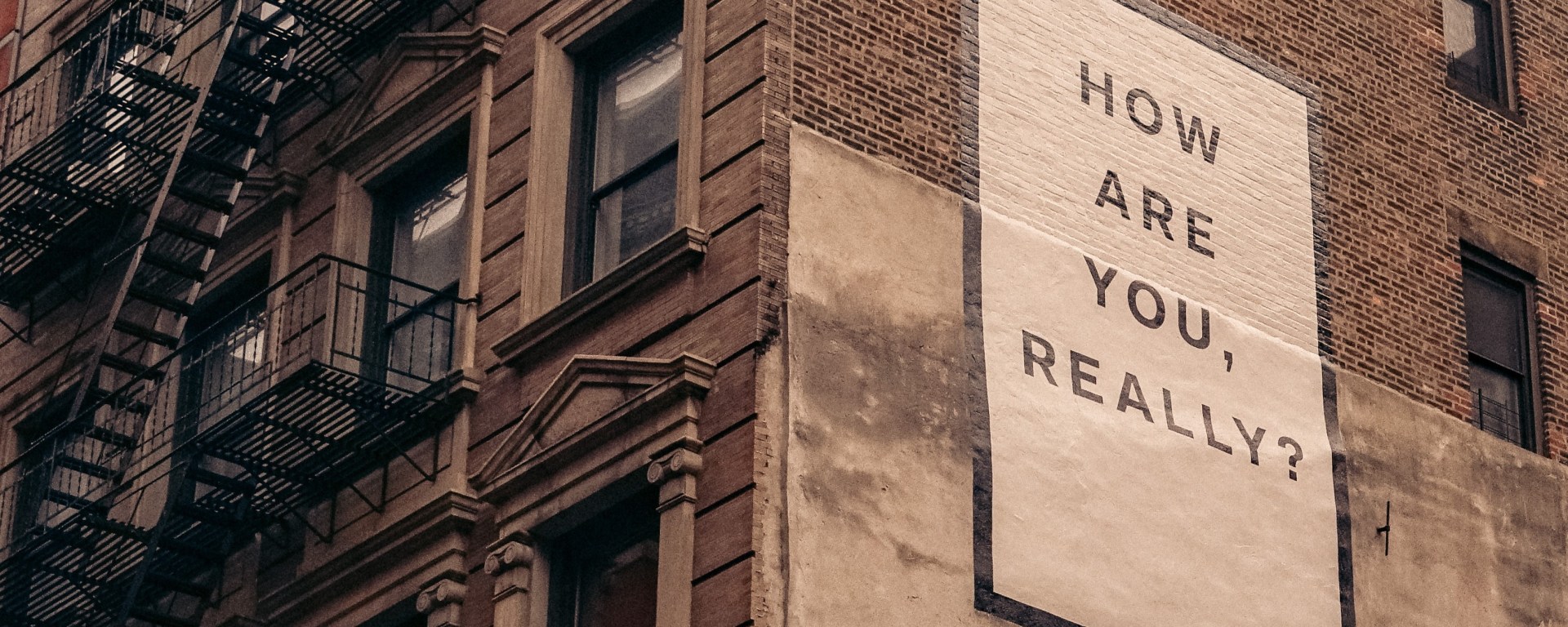
What is the best exercise for anxiety? The answer is… not as clear cut as you may think!
The good news is that most exercise can help relieve anxiety disorders, as well as depression.
But you have to battle yourself to get up, get out and actually do the work… and that’s not always easy when you are feeling like crap.
So today, we are going to explore some of the best exercises that you can do to enhance your mental wellbeing.
We will then help you get up and active when you least feel like it. 💪
Here’s the article at a glance:
- First: Remember you are not alone!
- The benefits of exercise for anxiety and depression
- The 5 best exercise for anxiety and depression
- How to do actually do it
- The final word on the best exercise for anxiety and depression
First: Remember you are not alone!

Nobody is immune from anxiety and depression.
Most of us can admit to having had periods of anxiety and depression in their lives – whether that was short-lived or a chronic condition.
Let’s face it, in the current world in which we live, feeling low or anxious is very easy.
There are so many things going on, from wars and terrorism, to the cost of living crisis and environmental concerns.
And that’s before you throw in all the personal things you deal with in your day-to-day life. Perhaps that’s a job you hate, or a bad relationship, or the stress of parenting. 😩
Take comfort knowing that you are not alone.
According to the World Health Organization, approximately 280 million people in the world have depression, while 301 million people live with an anxiety disorder (stats from 2019).
I have always been open in saying that I’ve had periods of anxiety and depression in my life. Even today, I still have periods where I feel quite low, but that’s life – everyone does.
It goes without saying that if you are currently struggling with things, go seek support. Many people have gone through what you’re experiencing and found help.
There are plenty of resources out there. Don’t suffer in silence!
If you are struggling with depression or anxiety, please talk to your GP or call Mind’s Infoline on 0300 123 3393 for non-urgent information about possible mental health support and services. If you are in the USA, visit Mental Health America for further advice.
The benefits of exercise for anxiety and depression
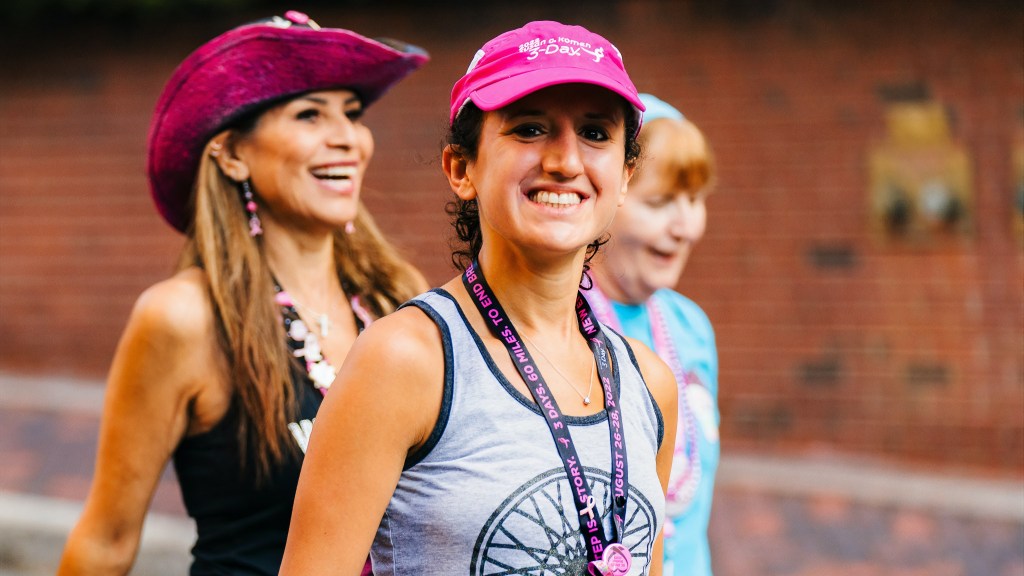
We can’t cure all your problems today…
But one thing that can help you feel better both in the short and long term is exercise. For many reasons.
Of course, exercise is said to release the so-called ‘happiness hormones’ known as endorphins, dopamine, and serotonin.
This is obviously a relevant factor, although this only tells a small part of the story.
Humans are much more than just machines, and I believe that keeping your mental wellbeing balanced is much more than a simple release of chemicals.
This is where other exercise benefits come into play.
For example, depending on what you do, exercise can be an instant distraction from your problems.
I attend a high-intensity bootcamp style class twice a week. Even if I’m feeling low or anxious, during those 45 minutes of running, jumping, lunging, squatting and pushing, I forget about my problems.
I find I am more focused on catching my breath and the dynamic nature of what’s happening in front of me instead of my daily worries.
You don’t have to go that hard with your exercise, but it is an anecdotal example of how exercise helps me.
It’s a great distraction.
Next, exercise can give you much-needed social interaction with others, particularly if you go to a gym or to a studio-based class.
Again, exercise groups and classes give you the chance to enjoy time with others.
I’ve been going to my exercise class for over seven years and have built up a good group of friends from it. If I go there feeling low, I usually leave feeling better just because I have seen people, shared jokes and vented frustrations.
As you can see, there are other benefits to exercise that extend beyond the physical boost.
The 5 best exercise for anxiety and depression
So, let’s return to our original question: what are the best exercises for anxiety and depression?
In this section, I am going to run you through five.
Some will appeal to you and some won’t. But all of them have potential to give you relief from your negative thoughts and feelings.
Running

Running is a great start because it’s so simple to get into.
After all, you don’t have to go to a gym to use a treadmill. You can just pop on your training shoes and go for a light jog around your neighbourhood.
You can listen to your favourite uplifting music or even a good podcast, and enjoy both the physiological benefits that come with running and the space it gives you from your emotions.
Many studies have been done on the links between aerobic exercise and mental health. A 2020 review into the relationship between running and mental health concluded that “running has important positive implications for mental health, particularly depression and anxiety disorders”.
Even better than running on a treadmill or urban areas: running in nature. This could be a jog on the beach, in the park or along a nature trail.
Some research has suggested that being in nature can have beneficial effects on your mental health, reducing depression and anxiety.
However, you probably don’t need research to tell you this.
You already know that it feels nicer to be among trees, grass and natural sunlight than concrete, bricks and artificial lighting. 🌳🌲🏃♂️🌳
So, combining the satisfaction of running with the feel-good factor of being in nature can really improve your mental wellbeing.
Just to note that any other aerobic or cardio activity similar to running will give you the same kinds of benefits. Both the natural feel-good endorphins and the distraction.
For example, swimming, cycling and rowing are all excellent. They are a bit less convenient, but if you prefer these, then go do them.
Lifting Weights
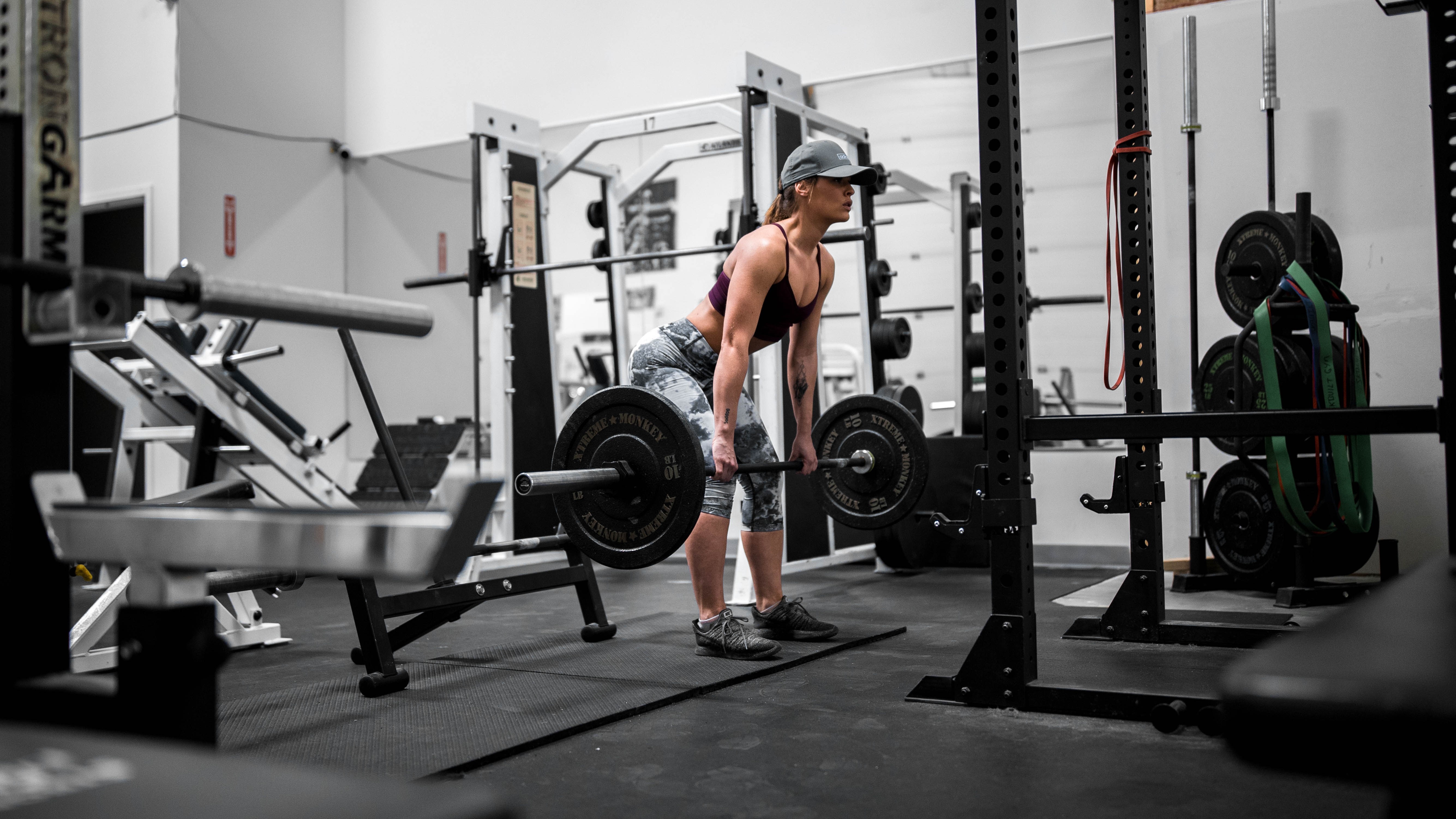
Whether you call it lifting weights, strength training or resistance training, this is one of my favourite ways to get out of a low mood.
Just head to the gym, load a barbell and get pressing, pulling, squatting or curling.
In addition to the physical side of things, the gym is also place where I know people and can have social interaction.
That plays a big part in boosting my mood when I need it.
While there’s lots of research on cardio and mental health, less is known about the beneficial effects of resistance training on anxiety and depression.
However, some research has shown that “resistance training at a low-to-moderate intensity” results in the most reliable and robust reduction of anxiety.
This is great because it means you don’t have to go crazy with the weight or intensity.
Just get yourself to the gym, lift some weights in a moderate range, and enjoy the benefits.
Yoga
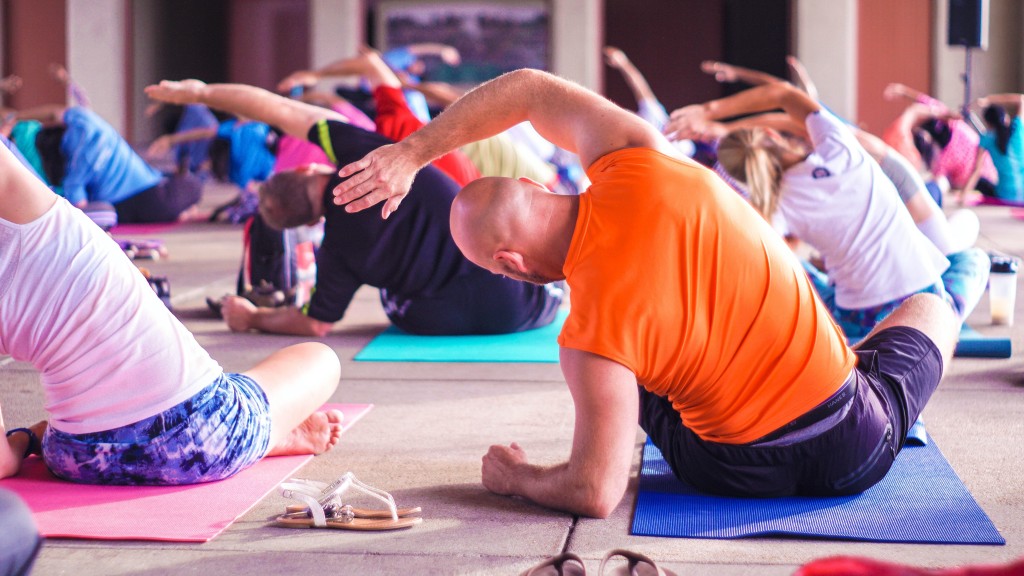
Ah-uu-mm! 🧘
In my opinion, yoga is perhaps the best exercise for anxiety and depression (yep, even better than hoisting some iron!).
There are two ways to look at yoga: from a traditional standpoint or a secular one.
Both are worthwhile, but I always opt for the more traditional aspects for mental health and I’ll explain why in a moment.
Firstly, yoga combines the physical with the emotional and spiritual world. Without wanting to sound too mystical, it allows you to feel whole. At one with your body and emotions.
While it’s a gentle exercise compared to something like running or a high-intensity bootcamp, you really have to use focus in a yoga class.
You have to focus on your positioning, your balance, and creating space in the body. You will also feel muscles that you may not have felt for some time. This will help you get out of your own head and back into your body.
This gives you an important break from your ruminating worries and depressive thoughts.
As for the traditional approach, I personally love a yoga class where there are things like Tibetan music, incense sticks, and a few oms.
Sure, it’s not for everyone – but the spiritual side of yoga always leaves me in a much calmer state of mind than when I entered it.
Dancing

Now this is the wildcard on this list because some people who are feeling depressed just aren’t going to want to dance around.
However, it’s difficult to be totally immersed in dancing and feel depressed.
Of course, if you are someone who already likes dancing, then getting yourself into a dance class can be just the remedy you need.
Some research confirms this and shows that dance can help decrease anxiety and improve mental wellbeing. Meanwhile, a systematic review from 2019 into dance as a treatment for depression concluded that dance movement therapy (known as DMT) was effective in treating the condition.
So, what kind of dancing should you do?
Whatever you like.
It could be any style like salsa, ballroom dancing, samba, swing, jazz, contemporary, or even line dancing. 💃🕺
Or it could be a fitness-oriented dance class, like Zumba, Bokwa, or Jazzercise.
Again, you may skip over this because you hate dancing.
But it can both cheer you up while giving you the physical benefits of an aerobic training session, so don’t instantly dismiss it.
Walking

I won’t go into too much depth about walking in this article because I have talked about it extensively in recent articles.
For example, you may want to check out articles on the benefits walking has on digestion or the general benefits of walking.
Ultimately, walking is even simpler to do than running and has been shown to help improve anxiety and depression.
Because it is so easy and accessible, it is undoubtedly one of the best exercises for anxiety and depression.
Just like with other activities, doing it in nature is better than doing it in the gym. But as long as you are walking somewhere, you are doing good for your body and mind.
Aim for 7,500+ steps a day, although the more you can do, the better.
How to do actually do it
Now we know what exercises to do, the question turns to how do we exercise when we are feeling anxious and depressed?
Often in these mental states you don’t want to get out of the house or out of bed, let alone to the gym.
Don’t fret. Here are a few tips that will help.
Start small
Trying to do a full hour of exercise when you are feeling low may be too big an ask.
Instead, begin with just 10 minutes. Go for a 10-minute run or walk, or commit to lifting weights in the gym or in your house for ten minutes.
Ten minutes is very manageable and it may turn into a longer session when you get into it.
Find something you enjoy
Yes, the benefits of running are great – but if you really hate running and know you will resent every single step, then go do something else.
Personally, I don’t really like cycling. So, if someone told me to go cycling when I was depressed, that would just depress me further!
If you love swimming, or rowing, or Zumba, or boxercise, then go do that.
Enjoy the exercise, and half the battle is won.
Focus on the benefits
Remember that there are both physical and mental benefits to the exercise you are doing, both during and after the workout.
In most cases, exercising will help you to feel better in both the short term and the long term.
Try to remind yourself of this when you are looking for an excuse to skip your session.
Find a workout buddy
Having a workout friend is useful for two reasons.
Firstly, you will have some company; a friend with you so you can chat to before and after. This always feels more comfortable than going it alone, especially if you suffer from gym anxiety.
Having a workout buddy can also keep you accountable. If you have scheduled a session in with them, you are more likely to stick to it.
Write it down
Finally, write your exercise into a routine.
To be honest, creating a routine for when you are feeling depressed or anxious is a good idea anyway. Structure can always help – I speak from personal experience here.
Grab a diary or notepad, then write in ‘Monday evening spinning class’ or whatever exercise you are doing.
If it’s written down, it’s more likely to happen.
The final word on the best exercise for anxiety and depression
As much as I wish I could, I can’t solve your problems.
But I do hope this article has helped motivate you to get moving, whether that’s walking, running or any of the other exercises we have covered.
It may not feel like it, but exercise really does help when you are feeling low or anxious. Again, I am talking from experience.
Good luck – and remember to seek help if you need it.
 Planet Health
6 thoughts on “The Best Exercise for Anxiety (and Depression): Take Your Pick!”