

You may not even know where Wales is, let alone be able to define Welsh food and its health benefits!
As somebody who is half Welsh, currently living in Wales, I want to use this blog post to take a closer look at Welsh dishes and ingredients.
Some are healthy, some are not, but you can make the decision whether or not to try them!
As they say in Wales: iechyd da! (meaning ‘to good health!’).

Where is Wales?
Just a quick one, in case you didn’t already know, but Wales is a small country in the United Kingdom.
In my experience, Wales is not quite as famous globally as England, Scotland or Ireland, but it’s there and offers the world a lot in terms of culture and history.
For example, Wales is famous for its castles, kings, dragons, ghosts and folklore.
We also have actors and musicians like Catherine Zeta Jones, Anthony Hopkins, Richard Burton, and Tom Jones, as well as world-famous poets like Dylan Thomas.
(Interestingly, Dylan Thomas’s childhood birthplace is about ten minutes’ walk from my house in Swansea, where I am currently writing this article!).
If you are interested in Welsh culture, do check out the work of Mark Rees – a good friend of mine and an expert on Welsh culture, history and ghosts.
Together, myself and Mark discussed Wales, its culture and its foods (as well as zombie horses and beard-obsessed kings!) on the Planet Health podcast in December 2022.
What is Welsh food?
Unlike Italian cuisine or German food, the foods of Wales are nowhere near as world-famous. Come on, everyone knows pizza and bratwurst, but how many know about laverbread?
So I will now attempt to promote some of these and discuss their health benefits or drawbacks.
Starting with…
Leeks
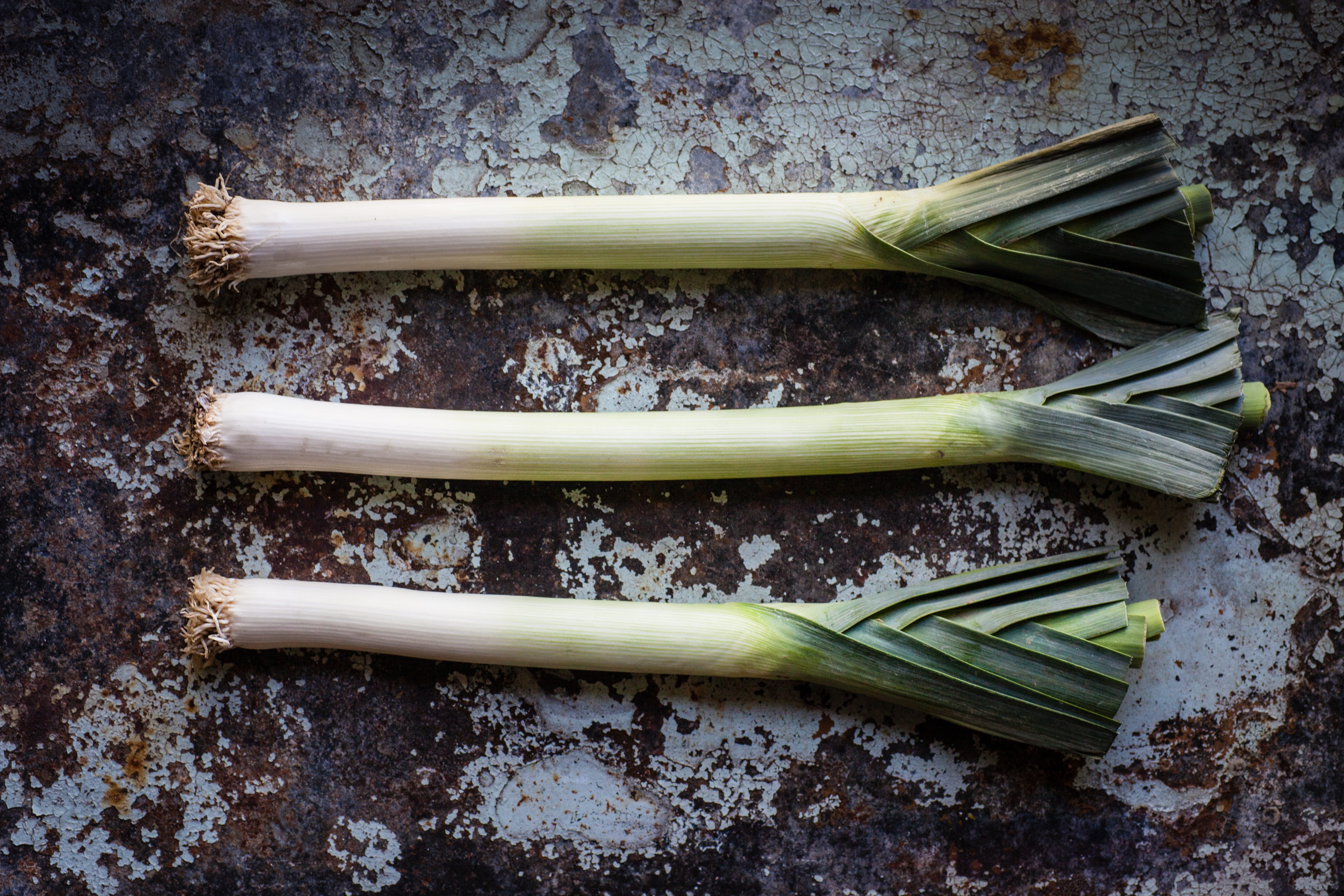
For me, when I think of Welsh food, I immediately think of one of the national emblems, the leek.
On St. David’s Day, the national day of Wales, young boys will wear a leek pinned to their jumpers to show national pride.
I used to do the same when I was a youngster. Often you would use a small felt leek or sometimes a real leek, which would inevitably fall apart through the day.
Leeks are an popular root vegetable that are part of the allium family. Similar to onions, garlic and spring onions. In fact, a leek looks like a huge spring onion.
They are therefore a great source of allicin. This is a compound with antimicrobial, cholesterol-lowering, and potential anticancer properties, while it is also linked to lower risk of heart disease and stroke.
Leeks are also nutrient dense but low in calories, which is the holy grail for weight maintenance. Three of these nutrients are vitamin C, beta carotene (which the body converts into vitamin A) – which is required for good vision and immunity – and vitamin K1, which is essential for heart health.
They are also a pretty tasty vegetables, which makes them a key ingredient in our next Welsh dish…
Cawl
The national emblem of Wales (i.e., the leek) is an essential part of the national dish of Wales, known as cawl.
Cawl is a simple comforting soup made with root vegetables such as carrots, leeks, turnips or swedes, onions and potatoes.
It’s also traditionally made with lamb (neck), beef or bacon, but you can omit these if you are vegetarian or vegan, like myself.
A soup made primarily of vegetables is naturally low in calories, high in fiber and packed with nutrients, including beta carotene from the carrots, which the body converts into vitamin A – essential for immune function and good eyesight.
The turnips or swedes are also excellent for battling off bugs, which is why the Iranians use them as cure for a cold. Cawl is therefore a great dish is you are feeling under the weather!
My suggestions, if you do choose to omit the meat: you can turn this into a complete meal by adding a plant-based protein, such as chickpeas, TVP or a lamb/beef alternative.
Laverbread

Laverbread is a unique Welsh food that definitely has some health benefits – even though it looks pretty unappealing!
Called ‘Welshman’s caviar’ by illustrious Welsh poet Richard Burton, laverbread is simply laver seaweed that has been washed and boiled for around six hours until it becomes a jelly.
(To the rest of the world, laver seaweed is best known as nori and used to wrap sushi).
In Wales, you are able to buy laverbread fresh from a market stall.
You can then either eat it as it is or mix it with oatmeal, shape it into patties, fry it in fat, then serve it with breakfast.
So, what about the benefits of laverbread?
It’s a fantastic source of iodine, a mineral that is essential for thyroid function. Vegans are potentially at risk of iodine deficiencies, so it’s a good plant-based source of iodine.
Laverbread is also packed with B vitamins including vitamin B12, which is needed for all sorts of processes across the body, including the formation of red blood cells and the protection of nerve cells.
Finally, laverbread also contains vitamin D, also known as the sunshine vitamin. As you probably know by now, vitamin D is essential for immune health and healthy bones, and it may play a role in preventing depression.
So, laverbread is definitely a good choice and a healthy Welsh food!
Welsh rarebit

Welsh rarebit (not rabbit) is also known as ‘posh cheese on toast‘ because… that’s essentially what it is.
It’s cheese mixed with ingredients such as butter, milk, mustard, Worcestershire sauce and beer. The good news if you are vegan is that vegan Welsh rarebit does exist! You can find a good recipe for it here.
Welsh rarebit is very tasty, but is it healthy for you?
As you have probably guessed… no.
Eaten in moderation, then it’s unlikely to be bad for you, but with such high levels of saturated fat from the cheese, milk and butter, it’s not something you will want to be chowing down on day in, day out.
I’d put it in the same category as burgers and American-style pizza. In other words, eaten now and again it’s fine, but don’t make it a habit.
Welsh ale
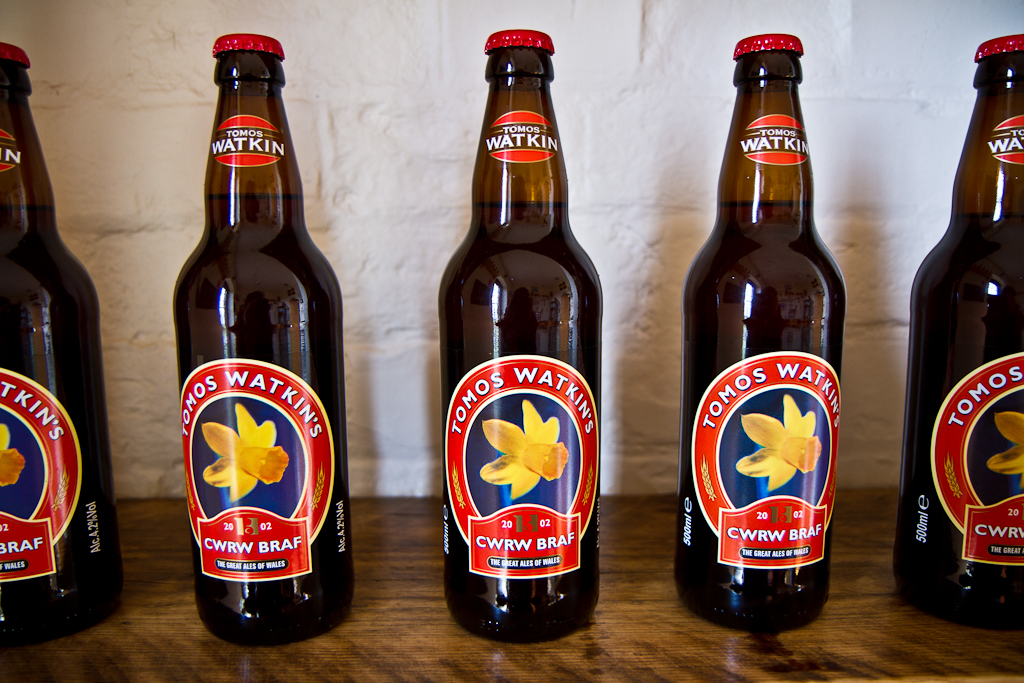
Real ale (aka, beer) is not exclusive to Wales, yet the Welsh know how to make (and drink!) a good pint.
Some of the more traditional Welsh beer brands include Brains, Felinfoel, Tomos Watkin’s, and Gower Brewery, while Tiny Rebel is a solid choice if you prefer some creative craft beers.
Enjoyed in moderation, real ale has some health benefits as it is packed with B vitamins and natural heart-protecting compounds called phenols, derived from the malt and hops.
Again, I will reiterate that – enjoy it in moderation! Five pints of Welsh ale and a stinking hangover isn’t the healthiest way to go about enjoying Wales.
Welsh cakes
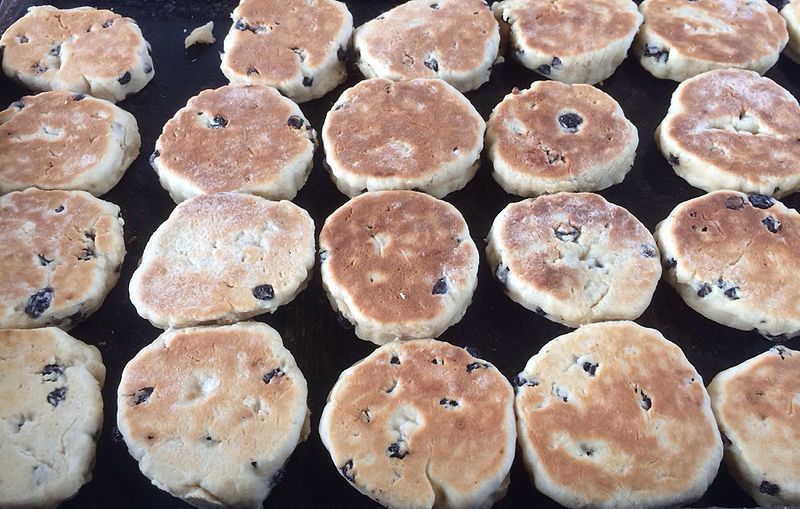
Finally, we come to Welsh cakes, which are seen as an essential treat in Wales.
Controversial opinion: I don’t see what all the fuss is about. They are nice enough, especially when freshly cooked, but I could live without them.
I know, it’s blasphemy coming from a half-Welsh foodie but…
Anyway, Welsh cakes are made using flour, butter, egg and sugar, as well as raisins and some spices. (Again, you can make Welsh cakes vegan). They are then cut into small discs and cooked on a hot plate / baking stone, before being covered with sugar.
Are Welsh cakes healthy?
Come on, it’s a cake made with sugar, egg and butter… so, once again, it falls into my ‘eat in moderation’ category.
Enjoy one or two and you will have no problems. Eat six in one sitting (like some people I know), and you may have problems.
The final word
Whether you live in Wales or are planning to visit Wales, hopefully you learned something of value from this article.
There are plenty of not so healthy Welsh foods, such as Welsh rarebit and Welsh cakes – these are a good example of foods that you should enjoy in moderation.
However, enjoy laverbread on toast for breakfast then a bowl of cawl for lunch (maybe washed down with a pint of real Welsh ale), and you’ll be well on your way to good health for the day.
Iechyd da!
 Planet Health
One thought on “What is Welsh Food and is it Healthy?”